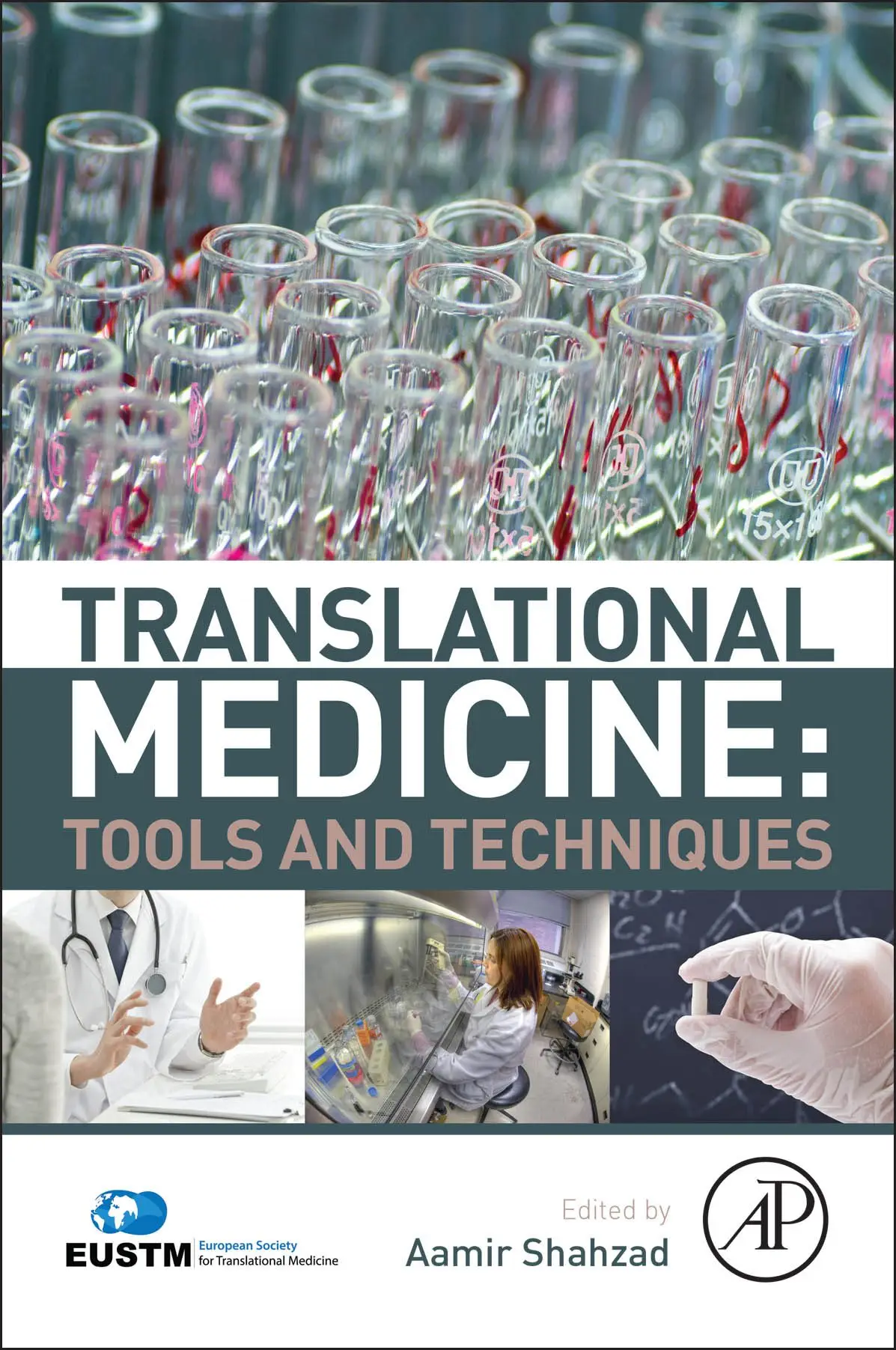
A practical, accessible reference for the interdisciplinary field of translational medicine — mapping a consistent route from laboratory bench to patient bedside, edited by Prof. Dr. Aamir Shahzad and published by Elsevier.
Sets out the core methods and tools of translational medicine in a clear, consistent way — giving readers a dependable reference for day-to-day practice.
02
Grounded in Real Industry Cases
Grounds the theory in practice through concrete examples from organisations that have applied translational approaches in real settings.
03
Smarter Use of Resources & Budgets
Shows how the right tools and techniques can strengthen infrastructure and capability while keeping costs down and making the best use of available resources.
About the Editor
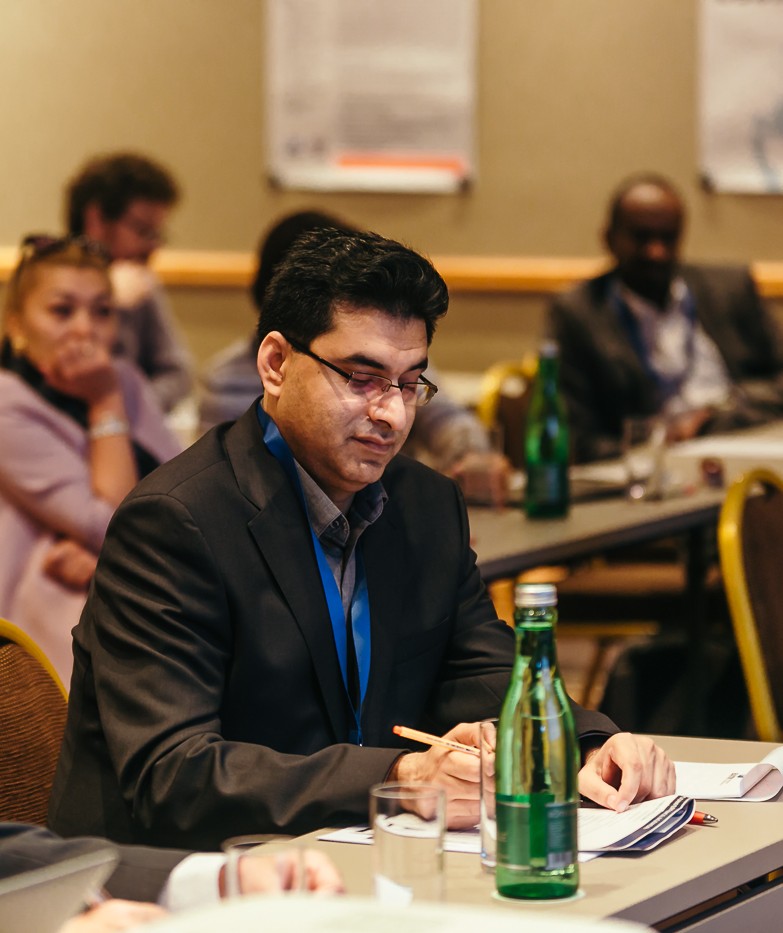
Prof. Dr. Aamir Shahzad
Prof. Dr. Aamir Shahzad
Founder & President
European Society for Translational Medicine (EUSTM)
A leading voice in translational medicine, Prof. Dr. Aamir Shahzad has played a central role in shaping the field's foundations. He is the corresponding author of the EUSTM position article that set out a clear, consensus definition of translational medicine — framing the discipline around its three pillars of benchside, bedside, and community — a reference point now widely cited across the field.
As founder and president of EUSTM, he has worked to standardise translational medicine practice, advance education and professional certification, and build international collaboration between research, industry, and clinical communities. This guide brings that same integrative perspective to a practical, accessible reference for the field.
Founder & President of EUSTM
Corresponding author of the EUSTM consensus TM definition
Advocate for global standardisation of TM practice
Inside the Book
Core Topics Covered
From foundational omics methods to the policy frameworks that shape translational programmes, the book spans the full breadth of the discipline.
Omics-Sciences Techniques
Methods spanning genomics, proteomics, and related omics fields that underpin modern translational research.
Biomarkers
How biomarkers are identified, validated, and applied along the translational pathway.
Data Mining & Management
Practical approaches to organising complex datasets and drawing meaningful insight from them.
Industry Case Reports
First-hand accounts from organisations that have put translational medicine into practice.
Technology Value Assessment
Frameworks for weighing the relative value of competing technologies and techniques.
Policy & Practice Issues
The organisational and policy considerations that influence how translational programmes are built and run.
Who Is It For
Readership
Written for a broad professional audience, the book speaks to readers across research, industry, healthcare administration, and education who want a practical grounding in translational medicine.
Biomedical Researchers
Practitioners and investigators working across biomedical research.
Health-Centre Administrators
Those who manage health centres and the associations that support them.
Life-Sciences Industry
Pharmaceuticals, biotech, medical devices, diagnostics, and contract research.
Data & IT Services
Reagent suppliers, IT service providers, and data-management companies.
Educators & Faculty
Faculty members at every level, from senior leaders to early-career educators.
Postgraduate Students
Postgraduate students and scholars building expertise in translational medicine.
Public-Health Professionals
Those working to apply translational advances across public-health settings.
Regulatory Affairs
Regulatory-affairs professionals navigating approval across different regions.
Order Your Copy
Translational Medicine: Tools and Techniques is available now through Elsevier. Add this essential reference to your library, department, or institution.
Publisher: ElsevierISBN: 978-0-12-803460-6Editor: Prof. Dr. Aamir Shahzad